Helical tieback anchors look easy theoretically: torque them in, test, secure off, carried out. Anybody who has mounted them on an industrial web site recognizes the fact is messier. Ground performs not read standards, access is rarely generous, and routines press staffs into faster ways that turn up later as wall surface activity, water intrusion, or even stopped working examinations. After twenty years around commercial foundation stabilization and also deep foundation repair, including helical piles, resistance piles, and also micropiles, I have a managing listing of errors that set you back money and time. Numerous are avoidable with a couple of regimented inspections and a straightforward read of the site.
This part surpasses universal insight. It concentrates on reoccuring difficulties I observe in commercial helical tieback anchor installation and also the sensible techniques to stop them, with references to neighboring systems like commercial helical pile installation and commercial micro pile installation when the training holds across.
Why tiebacks neglect exams long before they neglect the wall
Most tieback failures are born when the layout assumptions do not match field circumstances. I have found tiebacks created for a sand lense that ended up silty sand with a perched water coating, as well as the staff battled to meet the defined twist. The supervisor included expansions as well as maintained rotating, merely to run into a heavy gravel seam that overstressed the steel. A failed lots test complied with, after that an overdue race to upgrade the helices and re-drill openings with finished inside slabs. None of that is about the wall structure, all of it concerns reading through the ground.
Commercial helical tieback anchor installment depends on three traits that can not be faked: exact ground data, correct support geometry for that dirt, and also installment that adheres to the torque and also alignment requirements without improvisation under pressure. If one of those 3 receives endangered, the test port are going to show it.
Incomplete or even tasteless subsurface data
The worst blunders begin just before use. Relying on a solitary boring or even an aged record could be costly. Soil differs over brief distances, particularly on websites with filler, energies, or even previous remedial job. I have walked ventures where the geotech's boring was actually taken 40 feets from the wall structure, around an energy trough backfilled with crushed rock. The boring showed dense coarse-grained ground. The wall surface side was soft clay stuffing. The style required two-helix layers and forecasted 8 kip-ft every feet of embedment torque. The crew viewed 3 to 4 kip-ft, then attacked slick clay and stalled.
If the budget enables, add at the very least one confirmatory boring or even a handful of hand auger probings where the tiebacks are going to actually go. On interior work, a 3-inch core and also a portable dynamic conoid penetrometer can inform you sufficient to readjust the coil size and also space. If you can easily not include borings, emphasize a layout with backups: alternate coil setups, predicted twist assortments, and an examination anchor timetable to calibrate the creation strategy. Gradation anchors are actually especially useful in split dirts or even when groundwater varies seasonally.
Poor helix collection for the ground regime
Every support installer possesses a favored stack. That familiarity assists productivity, but it can also catch you. Large-diameter coils are certainly not constantly much better. In loose to medium sands, extra-large plates can turn without property stress. In stiff clay-baseds, excessive platters spaced too very closely may lock bum rap in between coil bearings as well as trigger capitulating torque.
A popular oversight is actually using a multi-helix setup with poor space. The rule of thumb is actually one to one as well as a half helix sizes between plates on the very same shaft, along with the lead coil first into competent strata. In overconsolidated clays, I often prefer far fewer, bigger coils with correct space. In granular soils, a sequence of somewhat much smaller plates may find bearing without magnifying the steel. If the task combines clay-baseds and sand seams, think about a sacrificial captain helix or a top section that could be switched after a test install.
Another mistake is skimping on rust factors to consider when dirts are actually aggressive. Commercial foundation repair usually occurs in older basements with high chlorides coming from deicing sodiums, inadequate drain, as well as fluctuating pH. If the oxidation analysis reveals a demand for more thick galvanization or a propitiatory steel allocation, perform not rationalize it away. Tieback anchors reside where you may certainly not see all of them. The price to upsize or specify hot-dip driven elements is actually commonly petty relative to opening up a completed room 10 years later.
Misreading twist and also the incorrect comfort of a number
Torque correlation is actually a useful device. It is actually certainly not an assurance. The correlation element, Kt, differs widely with soil kind, helix geometry, as well as installment procedure. I have actually found Kt values coming from as low as 6 to as higher as twenty in the exact same metropolitan area, depending upon whether the soil was desiccated clay or clean sand. Alleviate the indicated torque as evidence to be verified by tons screening, certainly not the only aim at that matters.
Two field habits misshape twist analyses. First, if the anchor is certainly not straightened accurately, it may tie in the red as well as produce a rubbing spike that appears like birthing protection. The motor moans, the gauge goes up, however the coils are actually certainly not engaging totally in the intended soil level. Second, torque bars and evaluates fall out of gradation or know in a hurry. If you believe an untrue high analysis, pause and also recheck: back off an one-fourth twist, re-advance, as well as see whether twist builds gradually. An irregular or sharp track is a red flag.
On commercial tasks, I inquire the crew to tape-record twist every half-foot for the last 3 to 5 feets and note any type of coating modifications or groundwater droplets on the resource. The details take secs and offer context if an evidence exam underperforms. If the torque plateaued too early, the anchor could certainly not be deep sufficient or the helix collection is actually unsuitable. Catching that prior to cutting off creates all the difference.
Anchors placed in the wrong soil horizon
Tiebacks acquire ability from the coils bearing in qualified dirt past the energetic block responsible for the wall surface. Getting beyond that wedge is actually as much a mathematical complication as a deepness trouble. A frequent mistake is actually shooting for deepness rather than transmitting the coil place along the genuine installment angle.
On a retaining wall structure, the active block could prolong 0.6 H to 0.8 H behind the wall surface, depending upon backfill and also water drainage. If you set up at a superficial angle to steer clear of powers, you may wind up along with a lengthy anchor that still properties within that wedge. The outcome is a tieback that tests effectively at reduced bunches yet creeps throughout grip time periods or even series extreme lock-off reductions over the initial couple of weeks.
Always sketch the anchor axis on the section pulling with the wedge restriction, electricals, and also cellar pieces. When space pushes a superficial angle, incorporate span and also pick a coil configuration developed for the dirt beyond the block, not the universal ground profile page. If the geometry will definitely certainly not enable you to hit experienced ground without converging a power or easement, this is where alternative bodies like micropiles or even commercial resistance pile installation can lug the load by means of tensioned braces or even internal walers.
Overlooking groundwater and also periodic changes
Water is the silent saboteur. Saturated grounds lessen effective worry as well as, by extension, anchor ability. Delicate dirts that look tight in overdue summer season may act like glossy goo in springtime. A tieback that locked off at 60 kips in Oct could creep under the same tons the following April if the groundwater level climbs into the helix zone.
Simple checks help. Note water gloss on spoil, check surrounding septic tanks, as well as videotape the time about moist times. When doubtful, plan for a conventional Kt and also larger helices or even develop a testing method that consists of a longer hold time to notice creep. On interiors, consider short-term dewatering throughout installation so you can easily seat helices properly. If chronic higher groundwater is present, deterioration increases and so carries out the value of isolation sleeves near the wall surface to lessen prospective infiltration pathways by means of the penetration.
Sloppy placement and also insufficient bracing during the course of install
The best style may certainly not rescue an inadequate setup position. Tiebacks requirement alignment in 3 sizes: appropriate angle to converge the bearing coating, right azimuth to steer clear of electricals, as well as straight access that stops eccentric running of the wall structure link. I have found workers handhold a ride head to thread around a pipeline. The anchor strayed, cut into block primaries, and also left behind a pointed gap. The wall structure plate eventually had to deal with irregular contact, concentrating stress and anxiety and also spalling masonry.
Rig up a simple overview structure. Also a plywood design template with a steel sleeve will maintain the starter part real. For longer supports, a midspan assistance near the wall assists stop bending over the shaft while twist is administered. Flexing during installation may decrease the steel's recurring capability and show up later as a weak failure under load testing.
Underestimating wall structure components and weight transfer details
Tieback capacity performs certainly not live simply in the dirt. The link concerns. For brickwork or even hollow-core wall surfaces, bearing plates need to have appropriate measurements and sometimes squeezing struts to disperse tons. In older concrete, carbonation as well as rebar corrosion can easily make near-surface concrete weak than the original sketches propose. If the plate bites in to soft material, you will definitely observe an exam drop that looks like anchor creep but is in fact wall crushing.
Pay focus to the blockout size, embedment of any sort of couplers or sleeves, as well as the demand for cement behind home plate. In assertive atmospheres, define protective limits and also sealants around the penetration to reduce water migration. A leaky infiltration welcomes freeze-thaw harm and also potential foundation crack repair frustrations, especially in office basements with drywall finishes.
Skipping or abbreviating verification and also functionality testing
Time tension gets rid of great screening. On small work, the lure is actually to evidence examination a sample and proceed. That is risky when soils vary around the wall surface or when support slants contrast as a result of powers. A simple plan goes a long way: steps in micro pile installation proof exam every anchor to a minimum of 1.25 times the design lots, secure at top for a lowest of 10 moments, as well as track movement at each increment. For vital constructs, incorporate a handful of efficiency tests to 1.5 to 2.0 opportunities concept tons with longer hold time frames to examine creep.
Watch the bunch cell and dial scale with each other. If the bunch stores and movement increases, that is creep. If the load goes down without substantial variation, check out the jack and evaluates prior to punishing the support. Maintain a calmness, check-list way of thinking. Make a note of background temperature level, considering that thermal impacts on the jack and steel can easily mislead brief tests.
Ignoring constructability in the design phase
Designers sometimes specify anchor spans and also positions that check out effectively in software program however hit truth. Inner parts rows, ductwork, and property lines limit rig placement. On a tight urban web site, you might require a low-clearance travel scalp, briefer starter areas, and staged extensions. That slows creation and increases the per-anchor price. If the timetable performs not acknowledge that, faster ways slip in: reduced embedment, changed slants, insufficient extensions.
Bring the installer in to the talk early. An area stroll along with the architectural engineer and also geotechnical engineer usually generates smarter information: modifiable walers, alternating anchor space, or even combining commercial helical pile installation beneath the piece along with a tieback body to discuss bunches. I have made use of hybrid strategies where tiebacks handle side while helical piles Commercial Helical Pile Installation or resistance heaps support verticals from internal framework. The choice might be over-stressing a solitary system to do each jobs.
Overreliance on one system when one more matches better
Helical tieback anchors shine in numerous conditions, but certainly not all. In incredibly heavy gravels and also cobbles, the coils can refuse before arriving at design intensity, and also the twist demanded dangers turning bum rap. In those dirts, micropiles or drilled tiebacks may be actually more reputable. If a noise limitation prevents percussive boring for micropiles, you can often mix approaches: utilize helical anchors where greats dominate as well as shift to micropiles in cobble regions. Being actually solid about body commitment is actually a mistake.
Similar thinking uses when a wall surface needs to have both vertical as well as side assistance. Industrial micropile installation may provide tension and also compression with very little vibration when the internet site feels. Commercial resistance pile installation works properly for upright bunch transactions where there is actually bad overhead open space. Selecting the right device is part of carrying out commercial foundation stabilization responsibly.
Neglecting corrosion protection and long-term maintenance
Tiebacks typically being in moist backfill along with sodiums, plant foods, and occasional hydrocarbon spills. Mild steel will certainly go through over decades. When the venture counts on a long service life, specify duplex security where warranted: hot-dip galvanized steel combined along with epoxy finish or grout encapsulation where codes demand it. On some community projects, I have utilized plastic solitude sleeves along bum rap near the wall structure to lower galvanic coupling to ingrained rebar.
If a property's upkeep planning dismisses the water drainage and area situations above the anchor region, capability deteriorates. Promote owners to maintain gutters, downspouts, and good grading. A bunch of structural foundation repair begins with water, not steel. It is actually unglamorous recommendations, but it prevents call-backs.
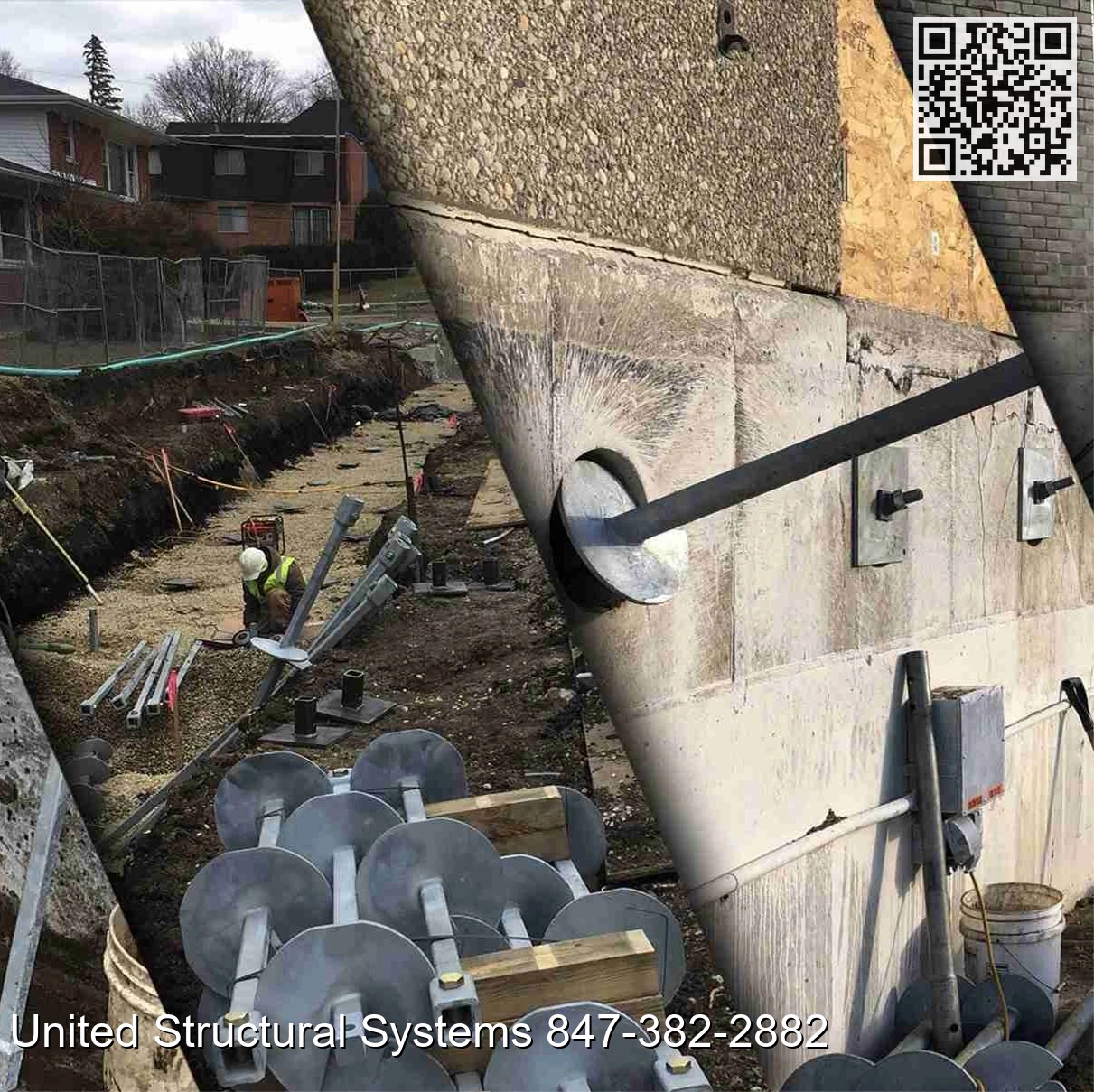
Cutting sections on documentation
The fastest course to conflicts is actually unstable files. Daily records that tape-record torque-depth accounts, ride head model and also gradation time, ground monitorings, and also evidence test leads create a clear past history. Images of each anchor area before and also after put in, including the wall surface plate as well as sealant, pay dividends when a future resident remodels and asks what lags the drywall.
For commercial jobs along with lending institutions or social mistake, clean information rates approvals as well as payouts. It likewise allows the designer of file to adjust concepts on the fly with self-confidence, rather than stopping work for a total redesign when a couple of calibration supports would certainly suffice.
Overlooking the structure's worldwide behavior
Engineers occasionally analyze sidewise restriction alone. If the wall structure desires to relocate because of global resolution, a tieback will certainly share in that account. When the slab drops due to soft stuffing, tiebacks attach a relocating wall to a moving floor, as well as brand-new splits seem in another place. In those situations, pairing tiebacks with helical piles or micropiles to re-level and also assistance interior shafts generates a stable system. Commercial foundation repair is actually hardly a single-thread concern. A short architectural assessment of load paths can record inequalities where a tieback will be asked to do much more than stand up to side the planet pressure.
Practical checkpoints that avoid very most problems
A staff supervisor once told me he preferred a five-minute ritual at the beginning as well as end of each anchor. He corrected. It cut our rework fee by half on a hectic metropolitan project. These are actually the distilled measures that matter most.
- Before mount: verify viewpoint as well as azimuth with a basic jig, validate soil expectations against any kind of probe or even prior supports, inspect twist machinery as well as drive scalp tension, and affirm hardware accessible matches the submittal. During put up: report torque every foot, slow down via expected bearing layers, always keep the shaft braced near the wall surface, and quit if torque spikes erratically to re-evaluate. After put in: trim at the correct projection, well-maintained the bearing area, put in home plate amount, evidence exam to the strategy along with evaluated has, as well as secure the seepage versus water.
Keep it basic as well as steady. Most commercial crews may implement this without modifying the schedule.
When tiebacks converge with various other restorative work
Complex ventures rarely entail one trade. Water-proofing, utility relocations, and also interior fit-outs overlap with anchor work. The tieback seepages need to have sychronisation with membranes and also protection. If a blindside membrane layer is present responsible for a new wall structure, pre-plan sleeves as well as seals. Coordinate with waterproofers on primers and sealants suitable along with galvanized steel. Nothing at all strains customer associations like a brand new leak outlined to a badly sealed anchor sleeve that punctures a membrane.
Foundation crack repair commonly surface areas in tandem along with sidewise stabilization. Tightening a wall structure with tiebacks can easily shut gaps, yet it carries out certainly not mend them. Epoxy injection or even urethane grouting may be required, relying on whether the gap is actually architectural or even just a water course. Pattern issues: support first, at that point fix gaps, then rejuvenate surfaces. If negotiation provided, add helical piles or even micropiles as required to resolve the upright component.
Training the team to read through the ground
Technical requirements can not switch out industry instinct. The best installers possess a taste of exactly how the torque need to develop as well as what various dirts scent and also appear like. Damp, natural fill has a sour smell and also smears; tidy sand experiences sandy and drowses off the device in completely dry grains. The instant a workers knows to associate these physical cues along with twist logs and test outcomes, high quality improves.
Invest a couple of hrs at the beginning of a job to adjust. Install a couple of exam anchors, log meticulously, and also compile the team around the evidence examination. Chat via what the amounts suggest. If you likewise put in helical piles, protection heaps, or micropiles, portion courses across systems. The dirt performs not care what the product is actually called. It responds to helpful tension, drainage, and density.
Common failure accounts, and also what they teach
A mid-rise auto parking framework had a stooped basement wall surface due to years of bad water drainage. The style called for helical tiebacks along with 2 12-inch helices. The team mounted to torque yet locked off at 50 kips and viewed two to three sixteenths of an in of action in the course of the 10-minute grip. The expectation was soft clay creep. The true trigger was the wall structure layer bearing on a spalled concrete skin. The moment our team damaged and also patched the confront with a high-strength fixing mortar and also upsized home plate by 25 per-cent, tests passed with very little motion. Course: certainly not all "anchor activity" resides in the ground.
On another project, a historic brick front called for tiebacks set up from the interior via a narrow basement corridor. The driver could certainly not keep the indicated 15-degree descending slant, therefore he opted for near-horizontal. The supports theoretically got to the design duration, yet the helices sat inside the active block. Within three months, straight splits increased near the tieback altitude. We substituted the shallow supports with a mix of deeper tiebacks and also a couple of indoor micropiles with a steel waler. Course: geometry beats intensity when it pertains to active block avoidance.
A third case entailed commercial helical pile installation on internal pillars coupled with tiebacks along a load-bearing wall. The piles went properly, yet the tiebacks coped coatings of rocks. Twist surged unexpectedly, and a shaft turned. Switching to a bored, grouted tieback with a small rotating rig for that region saved the timetable. Session: do certainly not push a helical solution through cobbles when a backup is actually available.
Where specs frequently mislead
Several common specs consist of covering torque-to-capacity correlations as well as generic grip times. They work beginning points, not gospel. In natural dirts, creep habits matters more than peak verification tons. In coarse-grained soils, the size is extra sensitive to successful stress and anxiety as well as drainage. If the spec carries out certainly not state periodic water level adjustments or even oxidation categorization, require an addendum.
Similarly, some submittals neglect components grades, thread being compatible, as well as wall structure layer flatness. If home plate stretches under bunch, it will certainly unwind when you remove the jack, triggering frustrating lock-off worths. A somewhat more thick plate or a stiffener rib is a small potatoes that produces expected results.
Bridging to bordering bodies without confusion
Clients usually hear a thicket of terms: helical pile, helical tieback, resistance pile, micro pile, micropiles, tieback anchors, helical anchors. In basic terms, stacks mainly deal with vertical bunches, tiebacks handle side tons in strain. Helical piles and also helical tiebacks discuss elements, however their geometry as well as links differ. Protection stacks are hoisted in versus a structure to cultivate capability by edge bearing and also abrasion, practical when cost is restricted. Micropile installation includes bored, grouted, frequently steel-reinforced aspects that can take strain and also squeezing in hard soils.
On commercial foundation stabilization projects, integrating units is actually certainly not a failing of preparation, it is frequently the sign of a customized answer. A basement that possesses each side and vertical hardship might need helical tiebacks for the wall surface and helical piles under internal shafts. If cobbles prevail, micropiles might switch out helicals. The smartest crews recognize each body's sweet location as well as limits.
Final ideas coming from the field
Most costly mistakes in commercial helical tieback anchor installation trace back to preventable choices: depending on unfinished subsurface information, pressing a one-size-fits-all helix collection, accepting twist analyses without context, or even missing durable testing. Excellent practice is certainly not complicated. It is a routine. Affirm the ground, select geometry to match, install with positioning discipline, exam frankly, and also file extensively. When the site demands a different strategy, be ready to pivot to micropiles or resistance piles rather than multiplying adverse a straining method.
Do those traits regularly as well as tiebacks stop being a gamble as well as begin behaving like the reputable resources they are actually for commercial foundation repair as well as structural foundation repair. The wall stays put, the customer lives delighted, as well as you save the budget for the portion of the project that turns up in pictures instead of behind drywall.